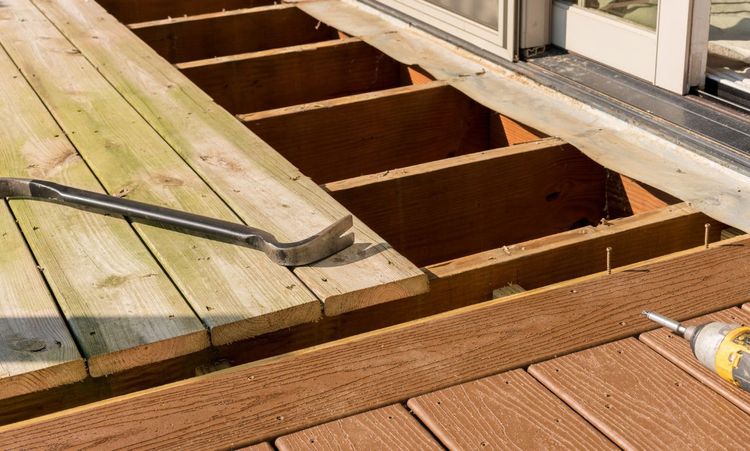
What should you remove from a house before renovation starts? In most cases, remove anything fragile, valuable, dust-sensitive, or likely to obstruct the work from the renovation area. Clearing the right belongings beforehand protects your possessions and gives contractors enough space to work safely.
Start by Clearing Everything That Could Get Damaged
A renovation site changes quickly. A quiet room can become filled with tools, building materials, dust, and debris within hours. Even items several feet from the actual work may be exposed to vibration or accidental damage.
The safest approach is to clear the active work area as thoroughly as the project allows.
Remove Furniture, Rugs, Curtains, and Other Moveable Furnishings
Furniture is usually one of the first things to move. Sofas, chairs, tables, beds, lamps, freestanding shelves, and other moveable pieces can restrict access and collect construction dust.
Removing furniture also gives contractors room to carry materials and equipment. A clear floor reduces the risk of workers bumping into belongings while carrying boards, tiles, cabinets, or tools.
Soft furnishings deserve particular attention. Curtains, cushions, upholstered furniture, and rugs trap fine particles remarkably well. Simply covering them may not offer enough protection during dusty work such as demolition, plastering, or sanding.
Ideally, move these items into a room that won't form part of the construction route. For larger projects, temporary storage outside the house may make more sense.
Take Down Artwork, Mirrors, Photos, and Fragile Decorations
Walls that aren't being renovated can still shake during construction. Drilling, hammering, demolition, and other heavy work create vibrations that travel through the structure.
Remove framed photographs, paintings, mirrors, clocks, ceramics, glass decorations, and other fragile pieces from the work area. Consider clearing adjoining rooms as well if substantial demolition will take place.
Small decorative objects also create unnecessary clutter. Packing them safely before work starts is far easier than trying to protect dozens of individual objects once contractors arrive.
Remove Valuables and Items That Dust Can Easily Damage
Construction dust rarely stays exactly where you expect it to. Fine particles can pass through small openings and settle inside nearby rooms, cabinets, and equipment.
That makes dust-sensitive possessions an important part of deciding what you should remove from a house before renovation starts.
Move Electronics, Important Documents, and Personal Valuables
Televisions, computers, gaming equipment, speakers, printers, cameras, and similar electronics should usually stay out of the renovation zone.
Fine dust can enter vents and settle inside electronic equipment. Moving devices is generally safer than relying entirely on plastic covers.
Important paperwork deserves similar care. Store passports, certificates, financial records, property documents, photographs, and other hard-to-replace papers somewhere secure and clean.
Personal valuables such as jewelry, cash, watches, collectibles, and sentimental objects should also be kept out of the work zone. Contractors need regular access to the property, and several workers or subcontractors may come and go during a large project. Secure storage removes unnecessary risk for everyone.
Empty Cabinets, Closets, Shelves, and Nearby Storage Areas
Homeowners often remember visible belongings but forget what sits behind closed doors.
If contractors are replacing kitchen cabinets, empty them. The same principle applies to bathroom vanities, wardrobes, built-in shelving, and storage units affected by the project.
Nearby cabinets may also need clearing during especially dusty work. Closed doors reduce dust exposure but don't always prevent it.
Think about how contractors will work, not just what they're replacing. If workers need to cut materials, open walls, sand surfaces, or access plumbing beside a cupboard, emptying that cupboard beforehand may save considerable cleaning later.
Kitchens and Bathrooms Need Their Own Removal Plan
Kitchens and bathrooms contain many everyday items packed into relatively small spaces. They also involve plumbing, electricity, appliances, cabinetry, and fixed fixtures. Clearing these rooms therefore takes more planning than moving furniture from a bedroom.
Clear Food, Cookware, Toiletries, and Small Appliances
Before a kitchen renovation, remove dishes, glasses, cookware, utensils, countertop appliances, pantry goods, and cleaning products from the affected area.
Food deserves particular care. Construction creates dust and other contaminants that shouldn't contact ingredients or cooking equipment.
Bathroom renovations require a similar approach. Remove towels, toothbrushes, cosmetics, toiletries, medicines, grooming equipment, and cleaning supplies.
Keep daily necessities separate from everything being stored. If the kitchen will be unavailable for two weeks, for example, you might keep a kettle, mugs, a few plates, and basic food supplies somewhere accessible.
This small distinction prevents the frustration of opening several packed boxes only to find what you need every morning.
Know Which Appliances and Fixtures You Should Not Remove Yourself
Clearing a renovation area doesn't mean homeowners should disconnect everything personally.
A countertop microwave can usually be moved easily. A gas cooker, hardwired appliance, sink, toilet, or connected dishwasher is different.
Ask the contractor which appliances they expect you to remove and which their team will handle. Gas, electrical, and plumbing connections may require qualified professionals.
The same applies to fixed fixtures. Don't start dismantling cabinets, lighting, plumbing fixtures, or built-in appliances unless you've agreed on responsibility beforehand.
Removing the wrong component could cause damage, create a safety issue, or interfere with the planned sequence of work.
Decide What Should Leave the House and What Can Stay
A single room renovation doesn't normally require emptying an entire home. The challenge is finding sensible places for everything that must move.
The scale and type of work should guide that decision.
Choose Between Another Room, Garage, or Off-Site Storage
For a small bathroom project, moving possessions into an unaffected bedroom may be perfectly reasonable. During a whole house renovation, that approach quickly becomes impractical.
A garage, spare room, basement, storage unit, or another property may provide temporary storage. Choose a place that's dry, secure, and away from contractor traffic.
Avoid filling hallways or rooms contractors must cross. Moving furniture out of one room only to create an obstacle somewhere else defeats much of the purpose.
Also consider how long the renovation will last. Stacking boxes in a spare bedroom for five days is very different from living around them for four months.
Protect Large or Fixed Items That Cannot Be Removed
Some things can't leave.
Built-in features, floors, windows, fireplaces, countertops, staircases, and extremely large furniture may need protection instead.
Talk with your contractor about how they'll cover these areas. Suitable protection depends on the work taking place and the surface underneath.
Dust control matters beyond individual objects. Contractors may use barriers to separate construction areas from living spaces. Nearby doors and openings may also need sealing.
Heating and cooling systems deserve attention because circulating air can carry fine dust beyond the renovation area. Ask your contractor how they'll manage vents and airflow during particularly dusty stages.
Prepare the Rest of the House Before Contractors Arrive
Knowing what you should remove from a house before renovation starts isn't only about protecting belongings. Contractors also need safe, practical access to the work.
A little preparation outside the renovation room can prevent daily disruption once construction begins.
Clear Access Routes and Create Contractor Work Zones
Walk from the property's entrance to the renovation area as if you were carrying a large sheet of material.
Are shoes, tables, plants, toys, bicycles, boxes, or decorations blocking the route? Move them before work begins.
Contractors may repeatedly carry equipment, building materials, cabinets, tiles, timber, and waste through the property. Clear routes make those movements easier and reduce the chance of accidental damage.
Ask where tools and materials will be stored. You should also know which entrance workers will use and how demolition waste will leave the property.
If children or pets live in the home, keep them away from construction routes and active work areas. Renovation sites contain sharp objects, tools, dust, loose materials, and other hazards that don't belong in everyday living spaces.
Make a Final Room by Room Check Before Work Begins
Before contractors arrive, walk through the renovation area slowly rather than relying on memory.
Open cupboards and drawers. Check walls, shelves, windowsills, and spaces behind furniture. If the project involves substantial drilling or demolition, look inside adjoining rooms.
Photograph the condition of rooms and any features that will remain. These photographs provide a useful record of the property before work begins.
Finally, confirm responsibilities with the contractor. Find out exactly what their team expects to find when they arrive and which fixtures or appliances they'll remove themselves.
That short conversation can prevent confusion on the first morning of construction.
Conclusion
So, what should you remove from a house before renovation starts? Start with furniture, fragile decorations, electronics, valuables, personal documents, food, soft furnishings, and anything that could obstruct contractors.
You don't necessarily need an empty house. You need a thoughtfully prepared work area where vulnerable possessions are safely stored and anything remaining is properly protected. A few hours spent clearing rooms before construction can prevent damage, simplify cleaning, and help the renovation begin without avoidable delays.